Understanding Risk Management in BTC Arbitrage Trading

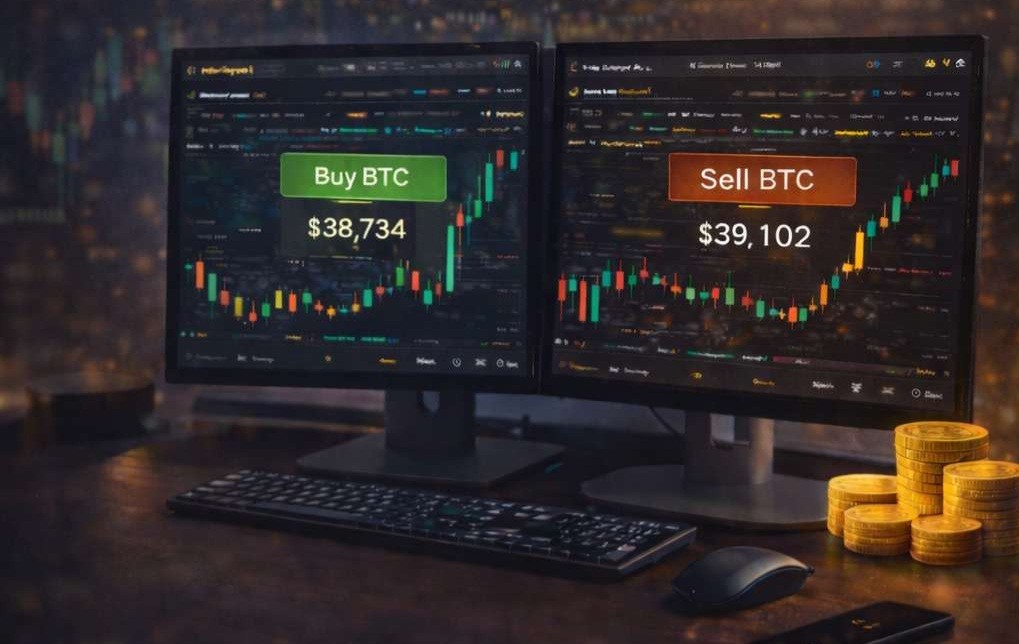
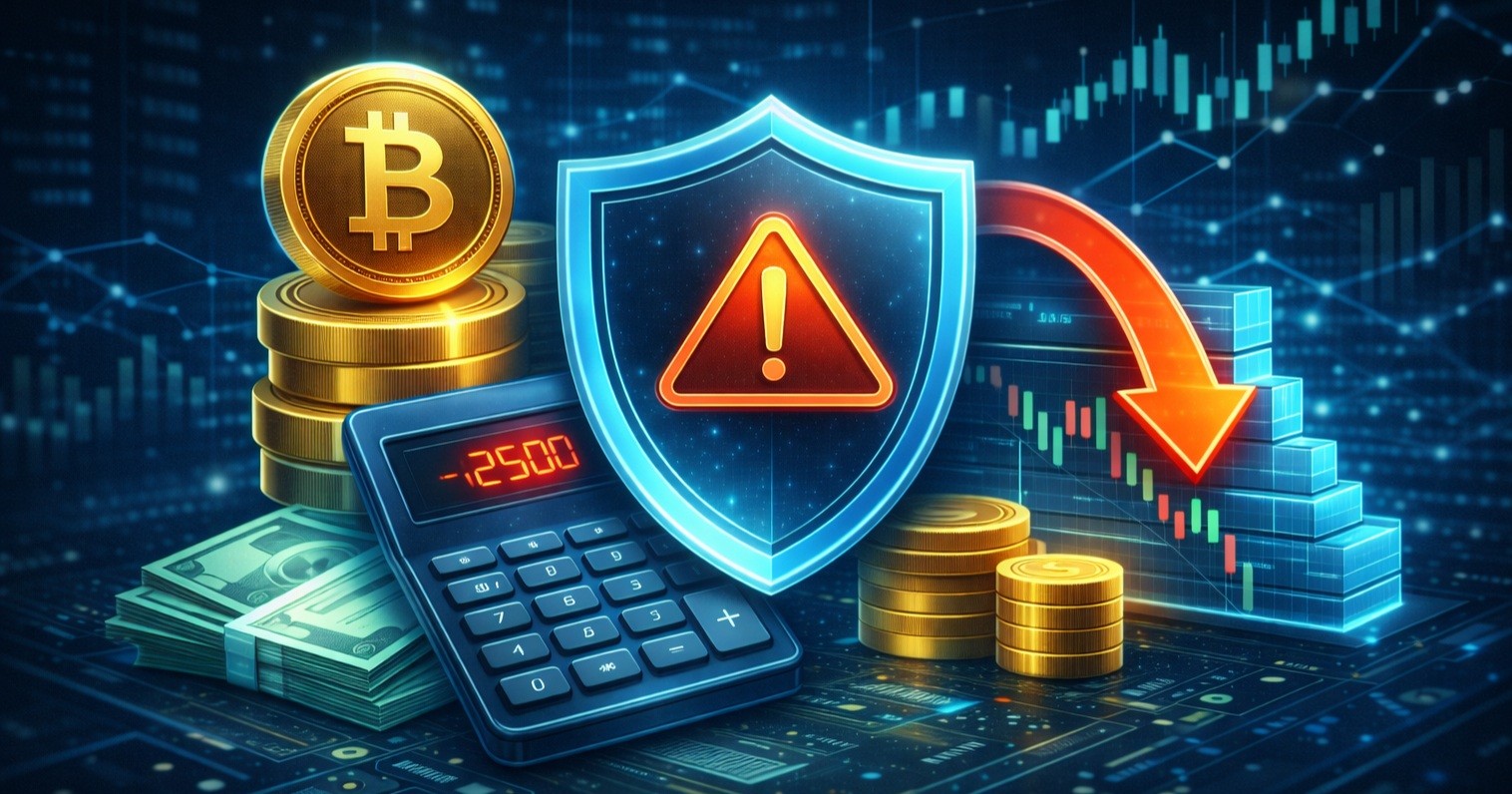
BTC arbitrage is a practical way to profit from Bitcoin price differences, but successful traders know that profit alone is not enough. Managing risk is what protects your capital and keeps you trading consistently over time.
In this article, we explain why risk management matters in BTC arbitrage and how traders can reduce common mistakes.
Why Risk Management Is Important in BTC Arbitrage
Bitcoin markets move fast. A profitable price gap can disappear within seconds. Without proper risk control, traders may experience losses due to delays, fees, or sudden price changes.
Risk management helps traders stay in control and avoid unnecessary exposure.
Price Movement and Timing Risks
BTC arbitrage relies on speed. If a trade takes too long to complete, the expected profit may vanish.
To reduce timing risk:
-
Focus on fast buy-and-sell execution
-
Avoid holding Bitcoin longer than needed
-
Monitor prices in real time before confirming trades
Platform and Liquidity Considerations
Not all markets offer enough liquidity. Low liquidity can prevent you from completing trades at the desired price.
Smart traders:
-
Check market depth before trading
-
Avoid very low-volume offers
-
Split larger trades into smaller amounts
Managing Fees and Hidden Costs
Fees can quietly reduce profits, especially in small-margin arbitrage trades.
Always account for:
-
Buy and sell fees
-
P2P service charges
-
Network transaction fees
A trade should only be executed if it remains profitable after all costs.
Protecting Your Trading Capital
One of the most common mistakes in crypto trading is risking too much at once.
Good capital management includes:
-
Using only a portion of your funds per trade
-
Avoiding emotional trading decisions
-
Reinvesting profits gradually
This approach helps traders stay active even after losing trades.
Final Thoughts
BTC arbitrage can be effective when combined with discipline and proper risk control. Understanding timing, fees, liquidity, and capital protection allows traders to approach the market with confidence.
Successful traders focus not only on making profits, but also on protecting what they already have.