Understanding Bitcoin Mining: How It Works, Profits, and Risks

Bitcoin mining is the process through which new bitcoins are created and transactions are verified on the Bitcoin network. Miners use specialized computers called ASICs (Application-Specific Integrated Circuits) to solve complex mathematical problems. When a problem is solved, a new block of transactions is added to the blockchain, and the miner is rewarded with newly minted bitcoins and transaction fees.
How Bitcoin Mining Works
The mining process involves verifying transactions on the blockchain. Each transaction is grouped with others into a block. Miners compete to solve a cryptographic puzzle associated with that block. The first miner to solve it adds the block to the blockchain and earns the block reward. This reward halves approximately every four years in an event known as the “halving,” which reduces the number of bitcoins miners earn, making the process more challenging over time.
Potential Profits from Mining
Mining can be profitable, but it depends on several factors. The price of Bitcoin is a major influence—when Bitcoin’s price rises, mining rewards become more valuable. Electricity costs also play a crucial role; mining consumes a lot of energy, so miners in areas with cheap electricity have an advantage. Additionally, mining equipment efficiency and network difficulty, which measures how hard it is to mine a new block, impact profitability. Many miners join mining pools to combine their resources and share rewards, improving the consistency of earnings.
Risks and Potential Losses
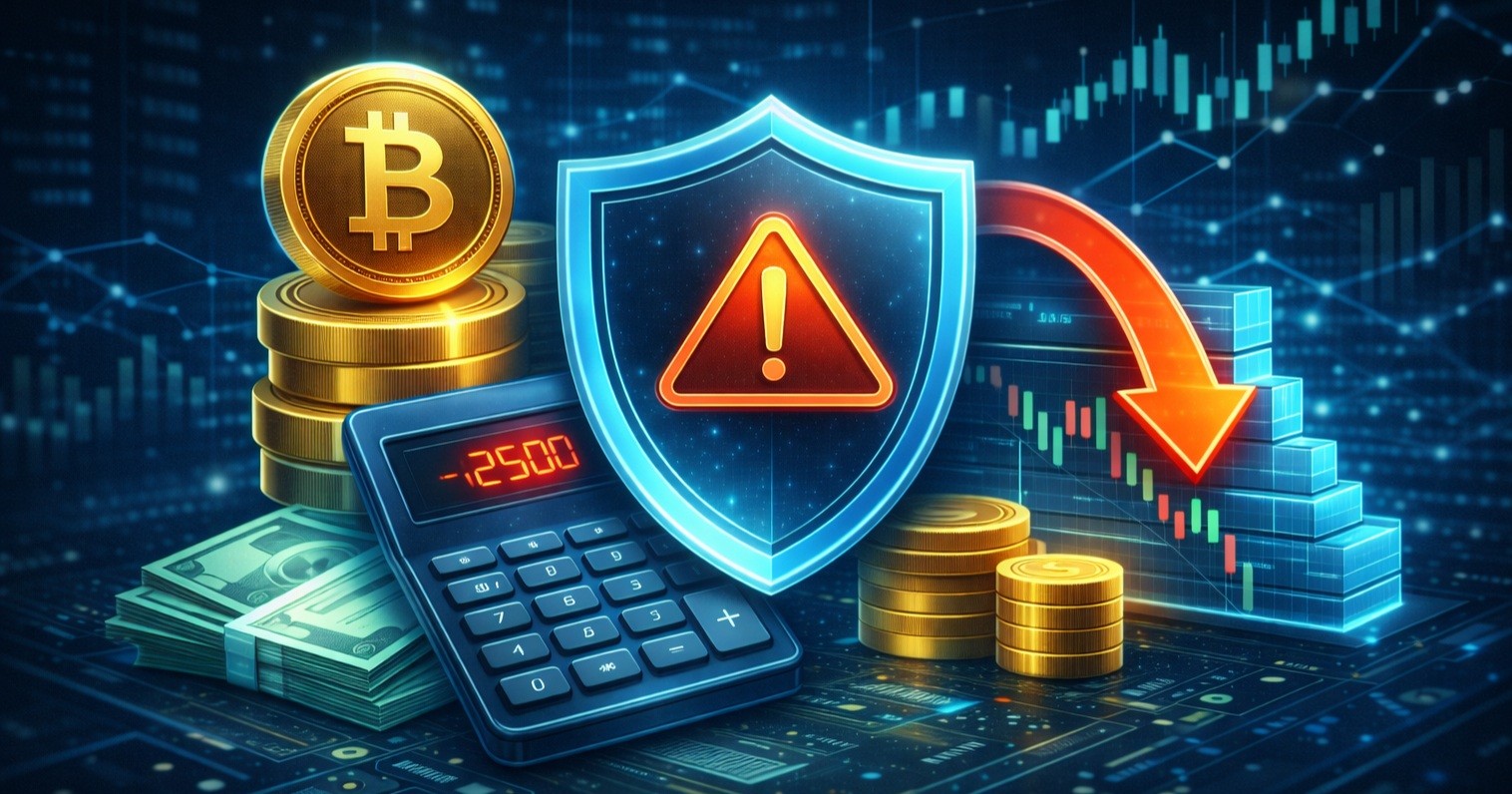
Bitcoin mining is not without risks. High electricity costs, hardware expenses, and network difficulty can reduce profits or even lead to losses. Mining hardware also becomes outdated quickly, requiring constant upgrades to stay competitive. Regulatory changes or restrictions in certain countries can also affect mining operations. Moreover, Bitcoin’s price volatility means that the value of mined coins can fluctuate significantly, which can turn expected profits into losses.
Important Considerations
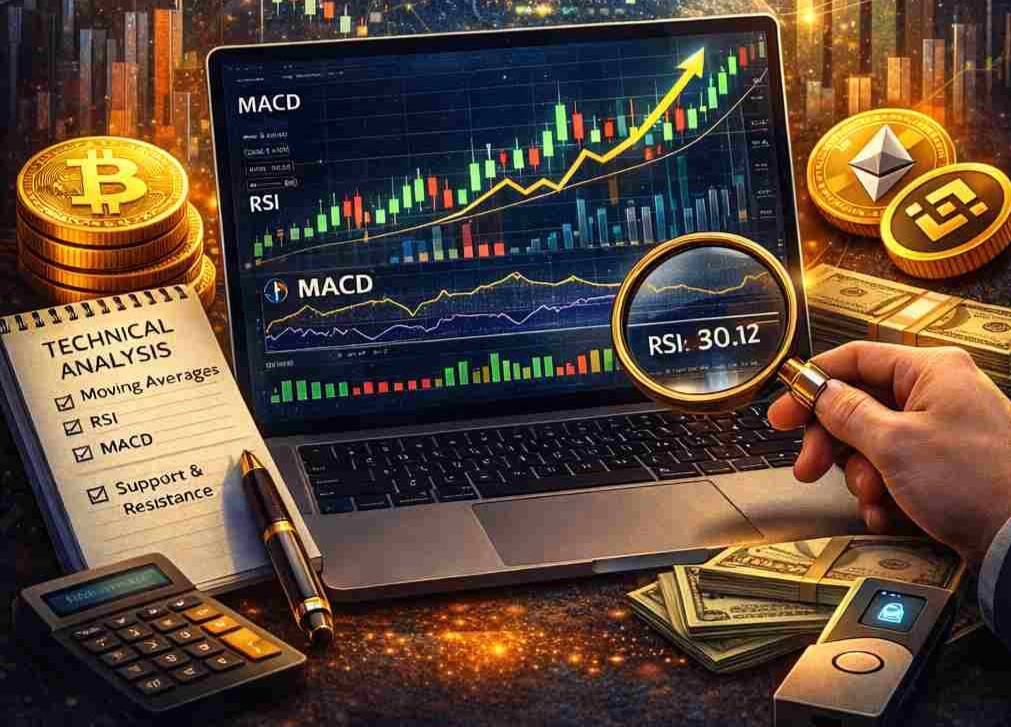
Before starting mining, it’s essential to calculate potential costs versus rewards. Online calculators can help estimate electricity costs, hardware efficiency, and expected rewards. Miners should also consider joining a reliable mining pool to reduce income volatility and research energy-efficient equipment to maximize profitability. Understanding the balance of investment, risk, and market dynamics is key to making informed decisions in Bitcoin mining.
Conclusion
Bitcoin mining can be rewarding, but it requires careful planning and risk management. Profits depend on Bitcoin’s price, electricity costs, and mining hardware efficiency. While it offers opportunities to earn new bitcoins, miners must navigate potential losses and market volatility. Knowledge, preparation, and ongoing monitoring are essential for anyone looking to enter the world of Bitcoin mining.