Beginner Guide to Cryptocurrency Investing in 2026

Cryptocurrency continues to evolve rapidly, and in 2026 it remains one of the most talked-about digital asset classes in the world. If you're new to crypto investing, it can feel overwhelming at first. With thousands of coins, constant price changes, and technical terms like blockchain and wallets, getting started may seem complicated.
This beginner-friendly guide will help you understand the fundamentals of cryptocurrency investing in 2026, how it works, and what you should know before putting your money into digital assets.
What Is Cryptocurrency?
Cryptocurrency is a digital form of money that operates on blockchain technology. Unlike traditional currencies issued by governments, cryptocurrencies are decentralized and typically run on distributed networks.
The most well-known cryptocurrencies include:
-
Bitcoin (BTC)
-
Ethereum (ETH)
-
Solana (SOL)
-
Binance Coin (BNB)
-
Stablecoins like USDT and USDC
Each cryptocurrency has its own purpose, use case, and level of risk.
Why People Invest in Cryptocurrency
Investors are drawn to cryptocurrency for several reasons:
-
Growth Potential – Some cryptocurrencies have experienced significant long-term growth.
-
Diversification – Crypto can diversify an investment portfolio.
-
Innovation – Blockchain technology is transforming industries such as finance, gaming, and supply chains.
-
Accessibility – Anyone with internet access can participate.
However, cryptocurrency markets are volatile, meaning prices can rise and fall quickly.
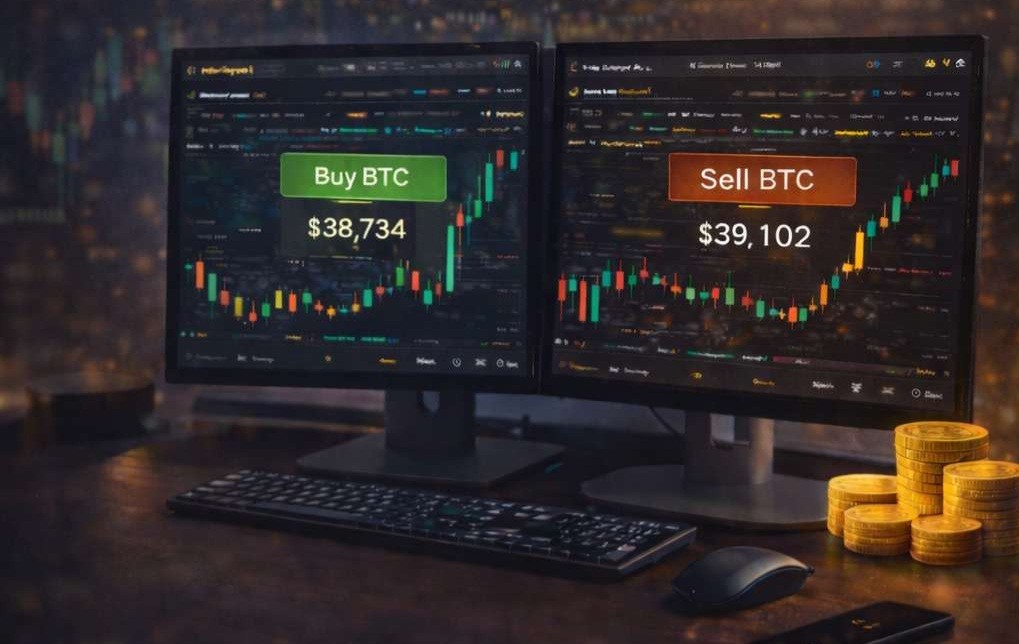
How Cryptocurrency Investing Works
To invest in cryptocurrency, you typically follow these steps:
1. Choose a Cryptocurrency Exchange
An exchange is a platform where you can buy, sell, and trade cryptocurrencies. Examples include centralized and decentralized exchanges.
When choosing one, consider:
-
Security features
-
Fees
-
Reputation
-
Available coins
2. Create and Verify Your Account
Most exchanges require identity verification for security and compliance reasons.
3. Deposit Funds
You can fund your account using bank transfer, card payment, or other supported methods.
4. Buy Cryptocurrency
Once funded, you can purchase crypto assets based on your investment plan.
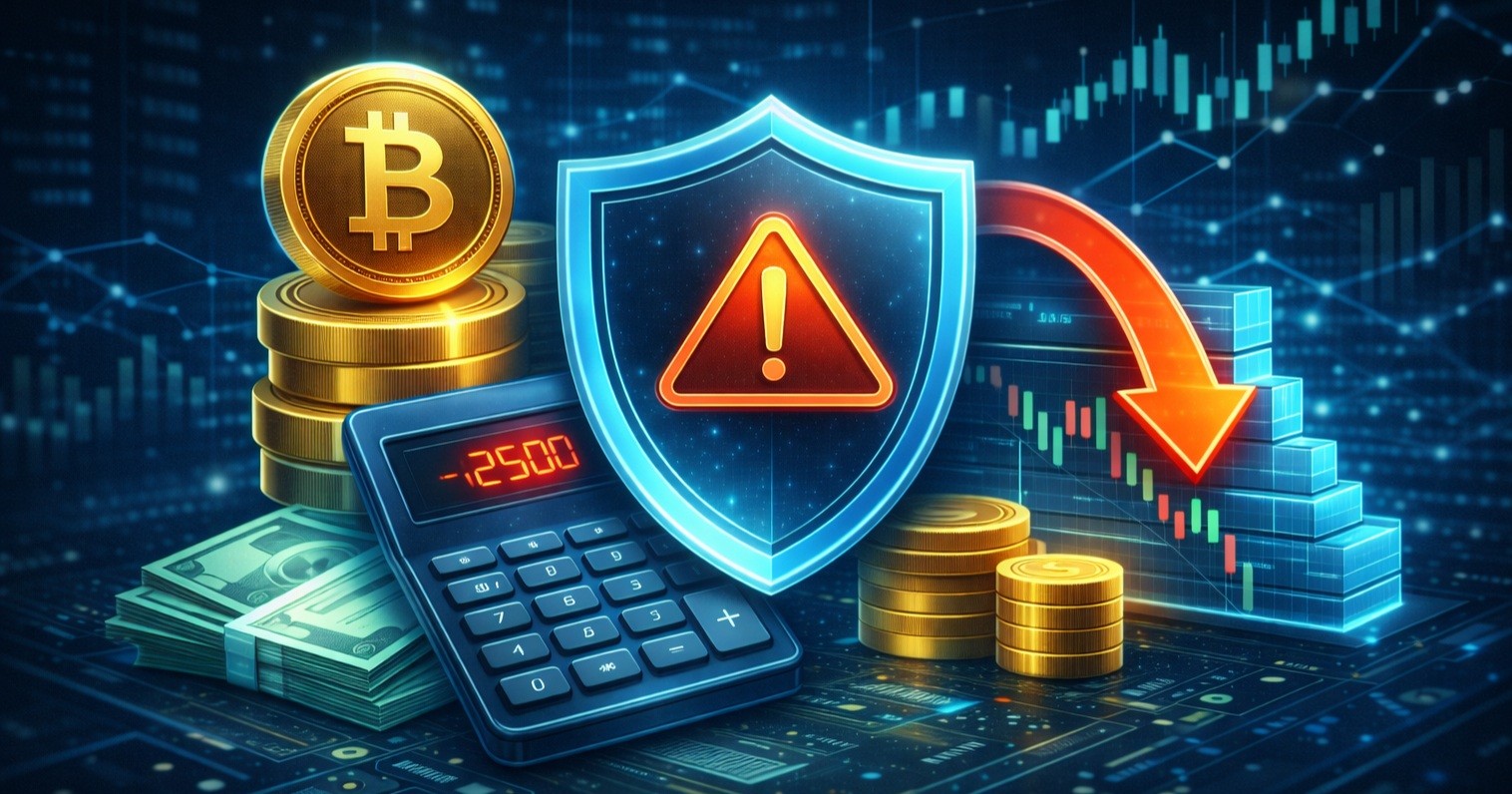
Understanding Risk Before Investing
Cryptocurrency investing involves risk. Prices are influenced by:
-
Market demand
-
Regulations
-
Technological developments
-
Investor sentiment
-
Global economic events
Important risk management principles include:
-
Only invest what you can afford to lose.
-
Diversify your portfolio.
-
Avoid emotional trading decisions.
-
Use secure wallets.
Long-Term vs Short-Term Investing
There are generally two approaches:
Long-Term Investing (Holding)
Some investors buy and hold cryptocurrencies for years, believing in the long-term potential of blockchain technology.
Short-Term Trading
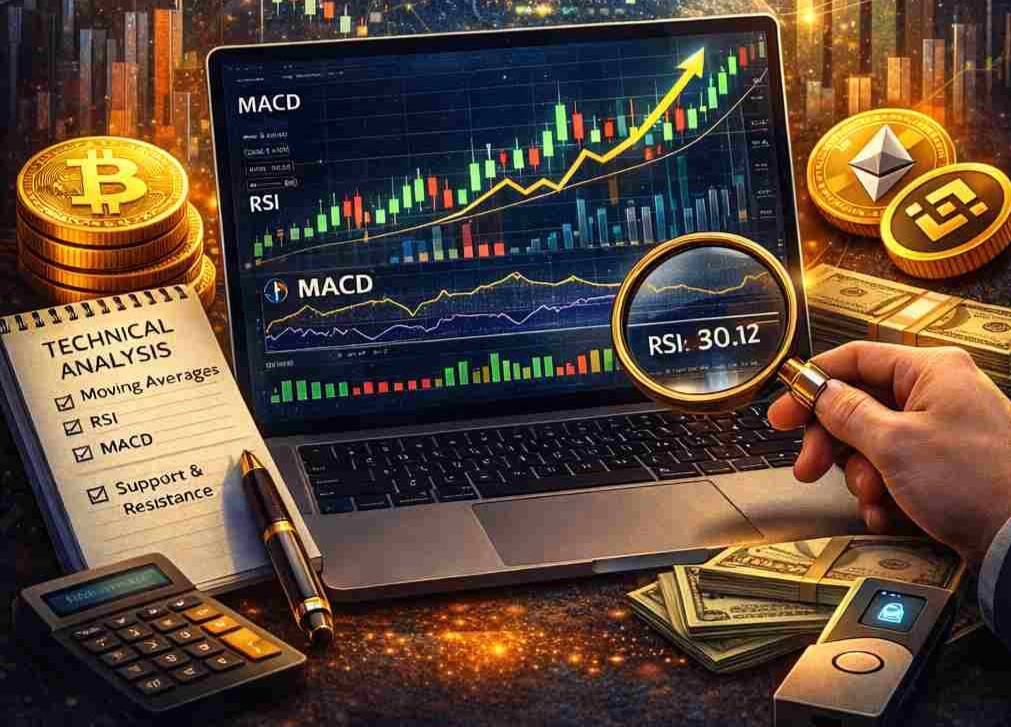
Others actively trade based on price movements. This approach requires more knowledge, experience, and risk tolerance.
Beginners often start with a long-term approach while learning the market.
Building a Beginner-Friendly Crypto Portfolio
For beginners in 2026, a balanced portfolio may include:
-
Large-cap cryptocurrencies (e.g., Bitcoin, Ethereum)
-
Mid-cap projects with strong fundamentals
-
Stablecoins for stability and liquidity
Diversification helps reduce overall risk.
Security Tips for New Investors
Crypto security is critical. Follow these best practices:
-
Enable two-factor authentication (2FA)
-
Use strong, unique passwords
-
Store long-term holdings in secure wallets
-
Avoid clicking unknown links
-
Be cautious of scams and impersonators
Remember, transactions on blockchain networks are usually irreversible.
Common Mistakes to Avoid
New investors often make these mistakes:
-
Investing without research
-
Following hype without understanding fundamentals
-
Overtrading
-
Ignoring security
-
Putting all funds into one coin
Taking time to learn can significantly improve decision-making.
The Future of Cryptocurrency in 2026 and Beyond
In 2026, cryptocurrency adoption continues to grow across financial institutions, payment systems, and global markets. Governments are also developing clearer regulations, making the industry more structured.
While the market remains volatile, blockchain innovation continues to expand into:
-
Decentralized finance (DeFi)
-
Web3 applications
-
NFTs and digital assets
-
Cross-border payments
Investors who focus on education and risk management are better positioned to navigate the evolving landscape.
In Conclusion
Cryptocurrency investing in 2026 offers opportunities, but it also carries risk. The key to getting started is education, careful planning, and disciplined decision-making.
If you are new to crypto:
-
Start small
-
Learn continuously
-
Prioritize security
-
Avoid emotional decisions
Cryptocurrency is not a guaranteed path to wealth, but understanding how it works can help you make informed investment decisions.
Disclaimer
This article is for educational purposes only and does not constitute financial advice. Always conduct your own research before making investment decisions.