Cryptocurrency Security: How to Protect Your Digital Assets
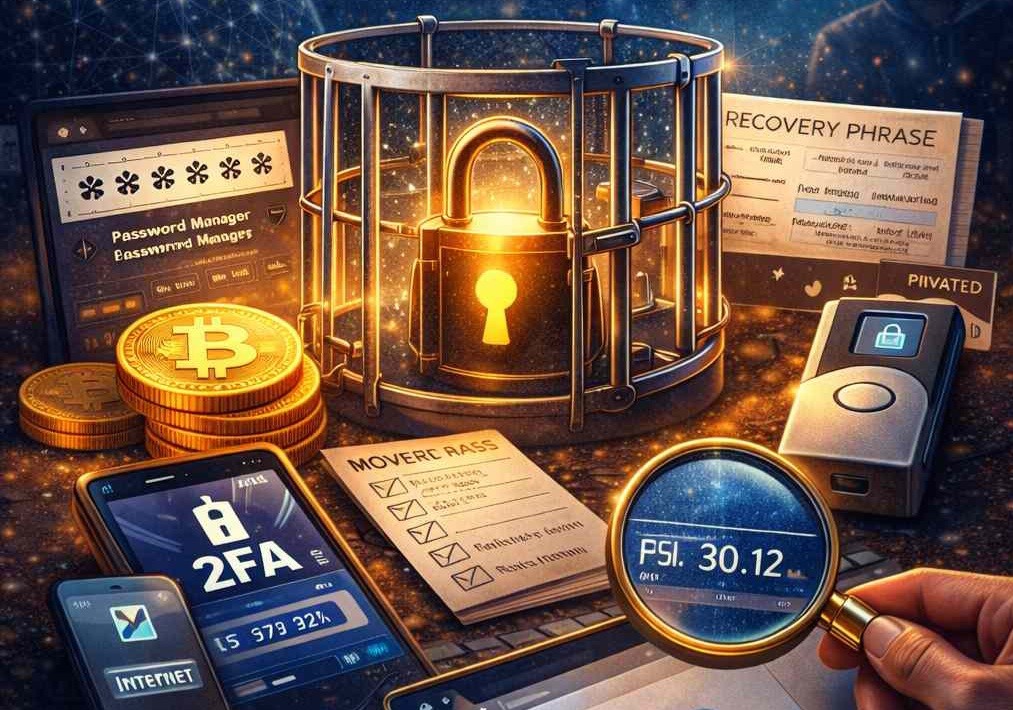
As cryptocurrency adoption continues to grow in 2026, security has become more important than ever. Unlike traditional banks, cryptocurrency transactions are typically irreversible. If your digital assets are stolen or lost, recovering them can be extremely difficult.
This guide explains how cryptocurrency security works and the best practices you can follow to protect your digital assets.
Why Cryptocurrency Security Matters
Cryptocurrencies operate on decentralized networks. This means:
-
There is no central authority to reverse transactions.
-
You are responsible for managing your own security.
-
Private keys control access to your funds.
If someone gains access to your private key or wallet credentials, they can transfer your assets permanently.
Understanding security is just as important as learning how to analyze market trends using technical indicators or building a balanced crypto portfolio.
Understanding Private Keys and Public Keys
Every cryptocurrency wallet contains:
-
Public Key: Like a bank account number (safe to share).
-
Private Key: Like your password (must be kept secret).
Whoever controls the private key controls the funds.
Never share:
-
Private keys
-
Seed phrases
-
Recovery phrases
Types of Cryptocurrency Wallets
Choosing the right wallet is one of the first steps in protecting your assets.
1. Hot Wallets
Hot wallets are connected to the internet.
Examples:
-
Mobile wallets
-
Web wallets
-
Exchange wallets
Pros:
-
Convenient
-
Easy access for trading
Cons:
-
More vulnerable to hacking
2. Cold Wallets
Cold wallets are offline storage solutions.
Examples:
-
Hardware wallets
-
Paper wallets
Pros:
-
High security
-
Ideal for long-term holding
Cons:
-
Less convenient for frequent transactions
For large holdings, many investors use cold wallets for better protection.
Enable Two-Factor Authentication (2FA)
Two-factor authentication adds an extra layer of security beyond your password.
With 2FA enabled:
-
You log in with your password.
-
You confirm access using a temporary code.
Always use an authentication app instead of SMS-based verification when possible.
Avoid Phishing Attacks
Phishing is one of the most common crypto scams.
Attackers may:
-
Create fake exchange websites
-
Send emails pretending to be support teams
-
Send messages asking for verification
To stay safe:
-
Always verify website URLs.
-
Bookmark official websites.
-
Never click suspicious links.
-
Do not share recovery phrases with anyone.
Legitimate platforms will never ask for your private keys.
Use Strong and Unique Passwords
Weak passwords are easy targets.
Best practices:
-
Use at least 12 characters.
-
Combine uppercase, lowercase, numbers, and symbols.
-
Do not reuse passwords across platforms.
-
Consider using a trusted password manager.
Secure Your Devices
Your wallet security also depends on your device security.
-
Keep your operating system updated.
-
Install security updates regularly.
-
Use antivirus software.
-
Avoid public Wi-Fi when accessing crypto accounts.
-
Lock your devices with PIN or biometric authentication.
Be Careful with Public Wi-Fi
Public networks can be risky.
If you must use public Wi-Fi:
-
Avoid logging into exchanges.
-
Use a secure connection.
-
Consider using additional encryption tools.
Diversify Storage Methods
Many experienced investors use multiple storage methods:
-
Small amount in exchange for trading
-
Medium amount in hot wallet
-
Large amount in cold storage
Diversification reduces the impact of a single security breach.
Backup Your Recovery Phrase Safely
When creating a wallet, you receive a recovery phrase (seed phrase).
Important rules:
-
Write it down offline.
-
Store it in a secure location.
-
Never store it in screenshots or online notes.
-
Do not email it to yourself.
If you lose your recovery phrase, you may permanently lose access to your assets.
Common Cryptocurrency Security Mistakes
-
Leaving large funds on exchanges.
-
Sharing wallet details with others.
-
Falling for social media investment schemes.
-
Ignoring software updates.
-
Clicking unknown airdrop links.
Avoiding these mistakes significantly reduces risk.
Security and Risk Management Go Together
Security is part of overall crypto risk management. Even the best technical analysis strategies cannot protect funds if your wallet is compromised.
If you're new to crypto, start by reading our Beginner Guide to Cryptocurrency Investing in 2026 to understand the basics before exploring advanced strategies.
Conclusion
Cryptocurrency offers financial freedom and innovation, but it also requires personal responsibility. Protecting your digital assets should always be a top priority.
By using secure wallets, enabling two-factor authentication, protecting private keys, and staying alert against scams, you can significantly reduce security risks.
Education and awareness remain your strongest defense in the cryptocurrency space.
Disclaimer
This article is for educational purposes only and does not constitute financial advice. Cryptocurrency involves risk, and individuals should conduct their own research before making financial decisions.