Bitcoin vs Forex Trading: Key Differences, Risks, and Profit Potential Explained

Bitcoin and forex trading are two of the most popular financial markets in the world today. While both involve buying and selling assets to make a profit, they operate differently and carry unique risks. Understanding the differences between Bitcoin and forex trading can help investors choose the market that best suits their goals and risk tolerance.
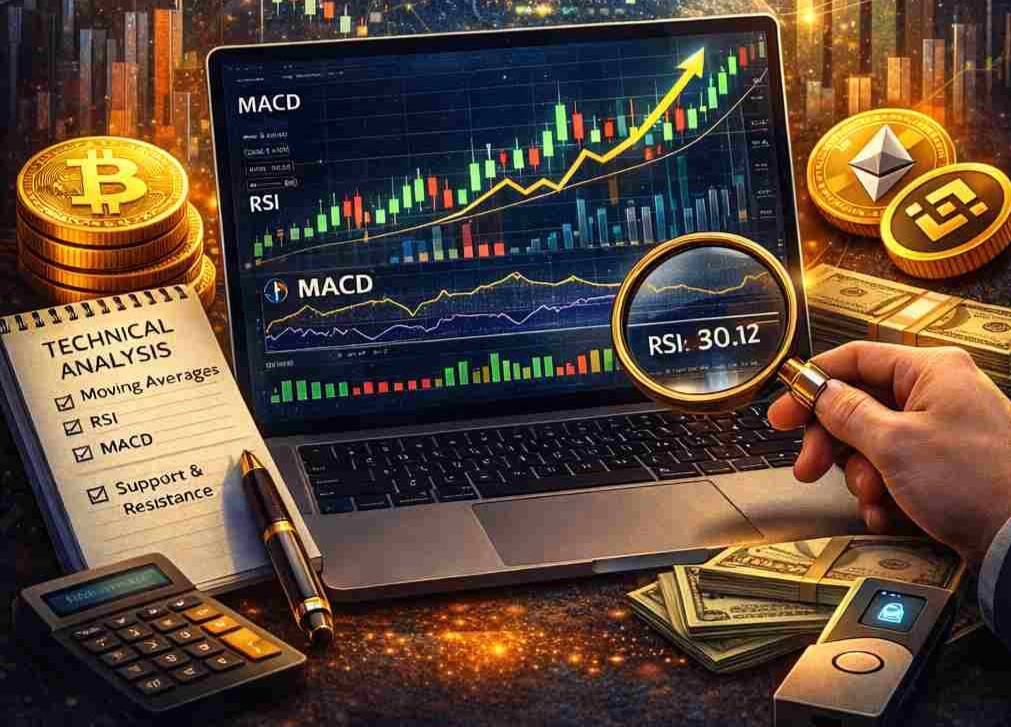
If you're new to crypto trading, you may also want to read our detailed guide on How to Analyze Cryptocurrency Market Trends Using Technical Indicators, which explains how traders study price charts and identify trading opportunities.
What Is Bitcoin Trading?
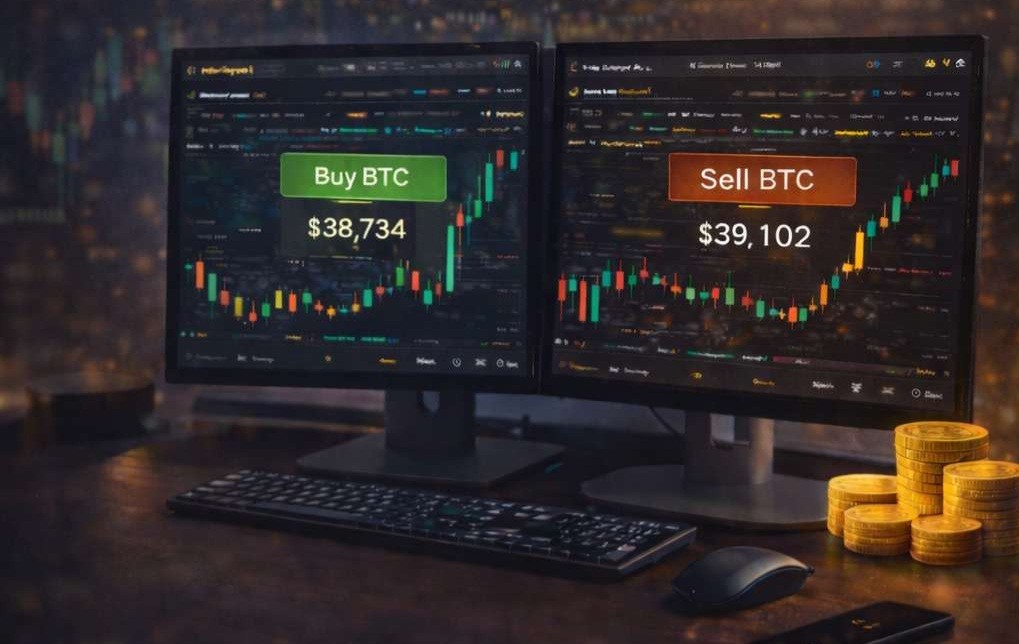
Bitcoin trading involves buying and selling Bitcoin on cryptocurrency exchanges. Traders aim to profit from price movements, whether short-term (day trading) or long-term (holding).
Unlike traditional currencies, Bitcoin operates on a decentralized blockchain network. Its price is influenced by factors such as:
-
Market demand and supply
-
Institutional adoption
-
Regulatory news
-
Global economic uncertainty
-
Investor sentiment
Bitcoin markets operate 24/7, meaning traders can buy and sell at any time.
Because crypto exchanges operate online, security is critical. Before actively trading, make sure you understand proper wallet protection and exchange safety practices as explained in our article on Cryptocurrency Security: How to Protect Your Digital Assets.
What Is Forex Trading?
Forex (foreign exchange) trading involves buying one currency while selling another. It is the largest financial market in the world, with daily trading volumes reaching trillions of dollars.
Forex trading is typically conducted in currency pairs such as:
-
EUR/USD
-
GBP/USD
-
USD/JPY
Unlike Bitcoin, forex markets operate 24 hours a day during weekdays but close on weekends.
Forex prices are influenced by:
-
Interest rate decisions
-
Inflation data
-
Central bank policies
-
Political events
-
Economic performance
Key Differences Between Bitcoin and Forex Trading
1. Market Regulation
Forex markets are highly regulated and overseen by financial authorities worldwide. Bitcoin markets, while increasingly regulated, still operate in a more decentralized and less uniform regulatory environment.
2. Volatility
Bitcoin is generally more volatile than forex pairs. This volatility creates higher profit potential but also increases risk.
Forex markets, especially major currency pairs, tend to have smaller price swings compared to cryptocurrencies.
3. Trading Hours
Bitcoin trades 24/7 globally.
Forex trades 24 hours a day but only on weekdays.
4. Liquidity
Forex markets have higher liquidity due to their massive global trading volume. Bitcoin liquidity has improved significantly but remains lower than major forex pairs.
Risks Involved
Both markets carry risk.
Bitcoin trading risks include:
-
Extreme price volatility
-
Exchange security issues
-
Regulatory changes
Forex trading risks include:
-
Leverage exposure
-
Economic news volatility
-
Central bank policy shifts
Traders in both markets should use risk management strategies such as stop-loss orders and proper position sizing.
Which Market Is Better?
There is no one-size-fits-all answer.
-
If you prefer high volatility and 24/7 access, Bitcoin may suit you.
-
If you prefer structured regulation and macroeconomic-driven movements, forex may be more suitable.
Many traders diversify by participating in both markets.
Final Thoughts
Bitcoin and forex trading each offer unique opportunities and risks. Success in either market requires education, discipline, and strong risk management.
Before trading, investors should research thoroughly and avoid investing more than they can afford to lose. With proper strategy and knowledge, both Bitcoin and forex trading can become part of a diversified financial plan.